
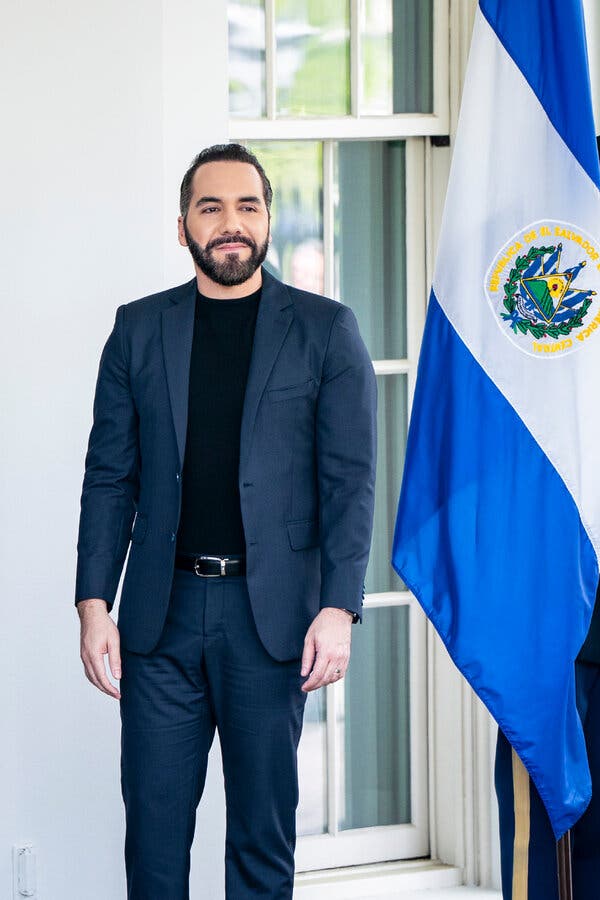

Nayib Bukele, president of El Salvador, has become internationally known for his aggressive war against criminal gangs, a campaign that has reduced reported homicides but attracted criticism over human rights and mass arrests.
Born on July 24, 1981, Bukele became president in 2019, promising to tackle crime and corruption. His security strategy gained global attention in 2022 when his government launched a sweeping crackdown on suspected gang members.
Inside the notorious CECOT prison
At the centre of his campaign is the Terrorism Confinement Centre (CECOT), a maximum-security prison opened in 2023 with a capacity of 40,000 inmates.
Located in Tecoluca, the facility features extensive surveillance, heavily armed guards and strict restrictions on prisoners. The government presents it as a key weapon against gangs, while human rights groups have raised concerns about detention conditions and due process.
Bukele’s latest confrontation with Haiti’s gangs
On October 21, 2026, Bukele announced a rescue operation after four Salvadoran aviation technicians went missing following a gang attack in Haiti.
The technicians were supporting security operations and medical evacuations. Bukele demanded their safe return, warning of a stronger response if they were not released alive and unharmed.
The incident comes as El Salvador continues to support international efforts to combat Haiti’s armed gangs.
A model under scrutiny
Bukele’s approach has won support from Salvadorans who say their communities are safer, but critics warn that mass arrests and restrictions on legal safeguards carry serious risks.
As the situation in Haiti develops, attention is turning to whether his hard-line security strategy can help confront gangs beyond El Salvador.
His legacy remains a subject of international debate: improved public security on one side, and concerns about human rights and concentrated presidential power on the other.
